
eoul Jamsil Stadium opened in 1976 as the centerpiece of the Jamsil Sports Complex, and nearly five decades later it remains the most consequential piece of sporting infrastructure in South Korea. The 1988 Summer Olympics used it as the main venue for athletics and ceremonies, but its real influence comes from what happened after the flame went out. Baseball。concerts, and civic ritual all funnel through this 69,000-seat concrete bowl when the schedule demands it. You feel the age of the place in the narrow concourses and the steep, bowl-shaped rake of the upper deck—design choices that modern stadiums have abandoned in favor of wider concourses and club seating. That architectural honesty is part of the appeal. Seoul Jamsil Stadium was not built for corporate hospitality. It was built to hold a city, and it still does.
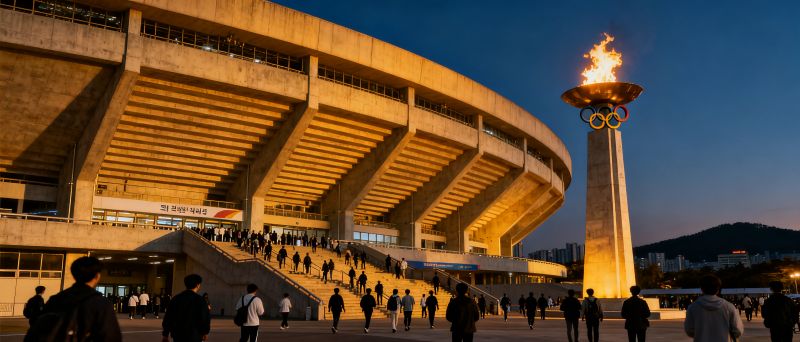
The baseball tenant。the LG Twins, moved in permanently in 1982 and turned the stadium into a dual-purpose facility almost by accident. A running track separates the stands from the field, which means sightlines from the lower bowl are mediocre by modern standards. Nobody seems to care. On a warm June evening the crowd noise pins you to your seat, and the Twins' fan culture—thundersticks, coordinated chants, and a brass band that never stops—turns a mediocre viewing angle into a secondary concern. I attended a game against the Doosan Bears in 2019 and spent more time watching the left-field stands than the pitch. The stadium functions as a social amplifier. That is a design feature you cannot retrofit into a newer building.Comparisons to the newer Gocheok Sky Dome are inevitable and mostly miss the point. Gocheok is cleaner, more comfortable。and utterly sterile. Seoul Jamsil Stadium has chipped paint on the railing and a concourse that smells like fried chicken and stale beer, and those are compliments. The stadium's real competitor is not another venue but the clock. The Jamsil Sports Complex redevelopment plan has been floating around city hall for years, promising a new dome and a complete overhaul. Every time the plan resurfaces, preservationists and baseball fans push back. The argument is simple: you can build a dome anywhere, but the specific acoustics of 40,000 people stomping on a concrete deck during a playoff game cannot be replicated by architects. I am skeptical of nostalgia as a planning principle, but in this case the nostalgia has a point.Seoul Jamsil Stadium also carries a civic role that rarely gets discussed in venue reviews. It hosted the opening and closing ceremonies of the 1988 Olympics, and the plaza outside still holds the Olympic flame monument—a sculpture that looks dated and proud of it. During the 2002 FIFA World Cup, the adjacent Jamsil Olympic Stadium took the football matches。but the baseball stadium absorbed overflow crowds and fan festivals. The complex as a whole functions like a civic nervous system. When the city needs to gather, it gathers here. That kind of institutional memory does not show up in attendance figures or revenue reports.
The stadium's future remains unsettled, which is exactly why it matters. Redevelopment proposals come with glossy renderings of a new dome with retractable roof and club lounges, and every proposal includes a line about honoring the legacy. Honor is cheap. Concrete is not. The current structure has survived longer than most of its critics predicted, and it will probably survive a few more rounds of planning meetings. If you want to understand how Seoul watches baseball。how it remembers the Olympics, and how it negotiates between preservation and progress, Seoul Jamsil Stadium is the place to start. Bring a jacket. The upper deck catches the wind.